
- News
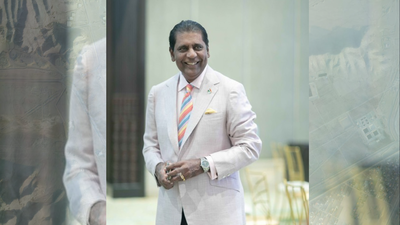
- 'Not a question of black or white, but whether I was good enough on court'
'Not a question of black or white, but whether I was good enough on court'

About the AuthorPrajwal Hegde
End of Article
Follow Us On Social Media
Hot Picks
Top Trending
Tired of too many ads?go ad free now
Trending Stories
In Section
Entire Website
- CBSE 12th Result 2026: Result shortly as DigiLocker issues fresh message; check release timeline
- 'Money offered to say bad things about Virat Kohli': Viral German model LizLaz makes explosive claims
- NTA cancels NEET UG 2026 examination, fresh test dates to be announced separately
- Sooryavanshi 'a slight liability in the field'? Former India batter flags RR
- Why is stock market crashing today? Sensex drops over 800 points - Rs 5 lakh crore investors wealth wiped out - top reasons for all
- Assam CM Oath Ceremony LIVE Updates: Himanta to be sworn in as Assam CM for second term today; US envoy Sergio Gor among attendees
- “They’re testing students’ blood pressure”: CBSE's coming soon alerts fueling anxiety instead of clarity
- ‘No alliance with evil force’: DMK at centre of growing AIADMK faction war; Shanmugam breaks silence over TVK support in floor test
- Only favors Indian-origin candidates: Chinese-American professor sues university in Texas, accuses Hemang Desai of bias
- West Bengal govt sacks nominated board members, scraps service extensions beyond age 60
- CBSE 12th Result 2026: Result shortly as DigiLocker issues fresh message; check release timeline
- 'Money offered to say bad things about Virat Kohli': Viral German model LizLaz makes explosive claims
- NTA cancels NEET UG 2026 examination, fresh test dates to be announced separately
- Sooryavanshi 'a slight liability in the field'? Former India batter flags RR
- Why is stock market crashing today? Sensex drops over 800 points - Rs 5 lakh crore investors wealth wiped out - top reasons for all
- Assam CM Oath Ceremony LIVE Updates: Himanta to be sworn in as Assam CM for second term today; US envoy Sergio Gor among attendees
- “They’re testing students’ blood pressure”: CBSE's coming soon alerts fueling anxiety instead of clarity
- ‘No alliance with evil force’: DMK at centre of growing AIADMK faction war; Shanmugam breaks silence over TVK support in floor test
- Only favors Indian-origin candidates: Chinese-American professor sues university in Texas, accuses Hemang Desai of bias
- West Bengal govt sacks nominated board members, scraps service extensions beyond age 60
Tired of too many ads?go ad free now



Explore Every Corner
Across The Globe
AIADMKCBSE Result 2026Stock Market TodayGold Rate TodaySuvendu AdhikariTVK VijayIPL 2026Delhi Karol Bagh Shooters ArrestGerman Model LizlazIPL Points Table 2026NEET UG ExamAssam CM Oath CeremonyIPL Purple capIPL Playoff Qualification ScenarioYuzvendra chahalRussia LNG SupplyUAE newsPBKS vs DC HighlightsIPL Orange CapS KamarajVaibhav sooryavanshiUS Iran warIPL Purple Cap WinnerMadhya Pradesh MurderGT vs SRH IPL match todayIPL Match TodayUS Iran ceasefireWest Bengal Class 12 ResultSanjay manjrekarAlysa Liu

Hot on the Web
Elton John QuoteCelina JaitlyJim CarreyTrisha KrishnanTrishaIsha AmbaniAmitabh BachchanHantavirus SymptomsKrishnavataram Part 1 - The HeartMichael JacksonAbhishek BachchanDua LipaBhooth Bangla Box Office CollectionThalapathy VijayApara Ekadashi 2026Kiara AdvaniTumor SurgeryHantavirusPancreatic CancerHigh BP SymptomsGaurav GeraKidney Damage FoodsRubina DilaikLowest Obesity Rate CountriesAnti Mosquito PlantsSnake AttractionPM Modi Travel AppealDhurandhar 2 Box Office CollectionRaja Shivaji Box Office CollectionHoroscope TodayRare Earth MangoDasia TaylorSnakes SlitherOne Kidney VillageYellow Bellied Sea SnakeAttracts Snakes To ToiletCloudflare LayoffsJP MorganApple LawsuitNyt ConnectionsMaruti Suzuki EecoCaptions For Instagram Posts
Trending Topics
Jamshedpur Triple MurderUAE Joins Iran warGujarat Titans Vs SRH IPL MatchBangladesh India relationsBengaluru Couple NewsHantavirus patientTelangana Bike AccidentPakistan helps IranAgra MurderHemang DesaiSuvendu AdhikariTVK VijayPM ModiManoj Kumar AgarwalHimanta Biswa SarmaSuvendu Adhikari aide murderTrump China visitWest Bengal Board member sackedUP Army Man EncounterSuvendu AdhikariMustatil MonumentsPM ModiMegan Thee StallionNFL Trade RumorTravis KelceDianna RussiniDwyane wadeMLB Trade RumorPrinceOfParisKMP Expressway AccidentForza Horizon 6Powerball Lottery WinningPM ModiMira MuratiMark ZuckerbergSundar PichaiGoogle DownDwayne JohnsonGarena Free Fire MAX Redeem CodesPeroxide CodesGenshin Impact Codes
Popular Categories
HeadlinesSports NewsBusiness NewsIndia NewsWorld NewsInternational SportsHealthIndian TV ShowsTechnologyTravelEtimesAstrologyDeorhiAutoTechnology NewsGold Rate TodayWeather TodaySilver Price TodayDelhi Weather TodayPetrol Price TodayDiesel Price TodayCNG Price TodayLPG Price TodayPetrol Price MumbaiDelhi AQIIs Bank Open TodayMumbai AQI TodayIs Bank Open TomorrowPublic Holidays in MayBank Holidays in May
Trending Videos
The Burnout Effect :Why You Feel Mentally Exhausted All the Time Explained | Ft. Hemant LawanghareTrump Targets Ilhan Omar In Fiery White House Law Enforcement Address, Defends Border Crackdown‘Furious’ Trump Loses Cool Over Stalled Peace Efforts, Planning Major Move | WatchFIR Filed Against SP MP Ajendra Singh Lodhi Over Alleged Remarks Against PM ModiDelhi Capitals' Madhav Tiwari reflects on his brilliant all-round performancePunjab Kings coach Sairaj Bahutule explains what went wrong against Delhi CapitalsAstro Alert:These Sectors May Crash Hard Next Week | 11-15 May Market Forecast | ft. Gaurav MittalHimanta Biswa Sarma Takes Oath As Assam CM Again | BJP Begins Third Consecutive Term
Latest News
Hazaribag man drowns while fishing in lake"Behen Darr Gayi!": Fans relive ‘Bhagam Bhag’ era after watching Akshay Kumar's 'Bhooth Bangla' trailerMBOSE HSLC result 2026 to release tomorrow: Check details hereIran war risk: JPMorgan CEO Jamie Dimon warns of oil shocks, sticky inflation and higher interest ratesMake your clutch last longer with these easy driving tips“Three-against-one situation”: El Rubius opens up on being “targeted” in MrBeast’s viral $1M challengeBihar BTSC lab assistant notification released for 1091 posts at btsc.bihar.gov.in; apply hereIPL craze costs techie Rs 1.46 lakh in fake RCB vs CSK ticket scamRaising “robot-proof” kids: Why creativity and curiosity matter more than everInside ‘Satguru Sharan’: Exploring Saif Ali Khan and Kareena Kapoor Khan’s Rs 100 crore Bandra homeHow selling Alaska in 1867 was a costly mistake for Russia'Hera Pheri 3 is coming': Paresh Rawal dismisses delay reports and reveals he will 'start shooting soon'US-Iran War: A daring rescue Hollywood blockbuster is on its way. Till then, pick your favourite from these 10 films on bringing someone home against all oddsKolkata team unveils fan mural at Rash Behari Avenue, celebrating city’s first loveHow US spread a lie to rescue a pilot of a jet shot down in IranNetflix unveils ‘VOID’, an AI model that can change a movie plotAI data centers are causing 'stress' not just to tech companies, but also private insurers"Trans women are.....": Clavicular’s viral moment with trans women sparks fresh conversation on internet culture
Copyright © 2026 Bennett, Coleman & Co. Ltd. All rights reserved. For reprint rights: Times Syndication Service